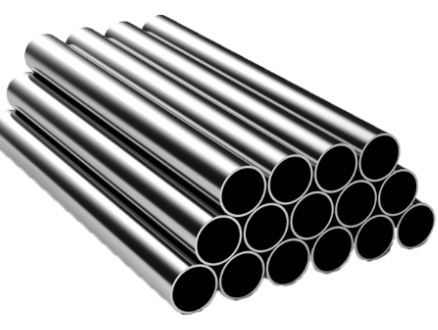
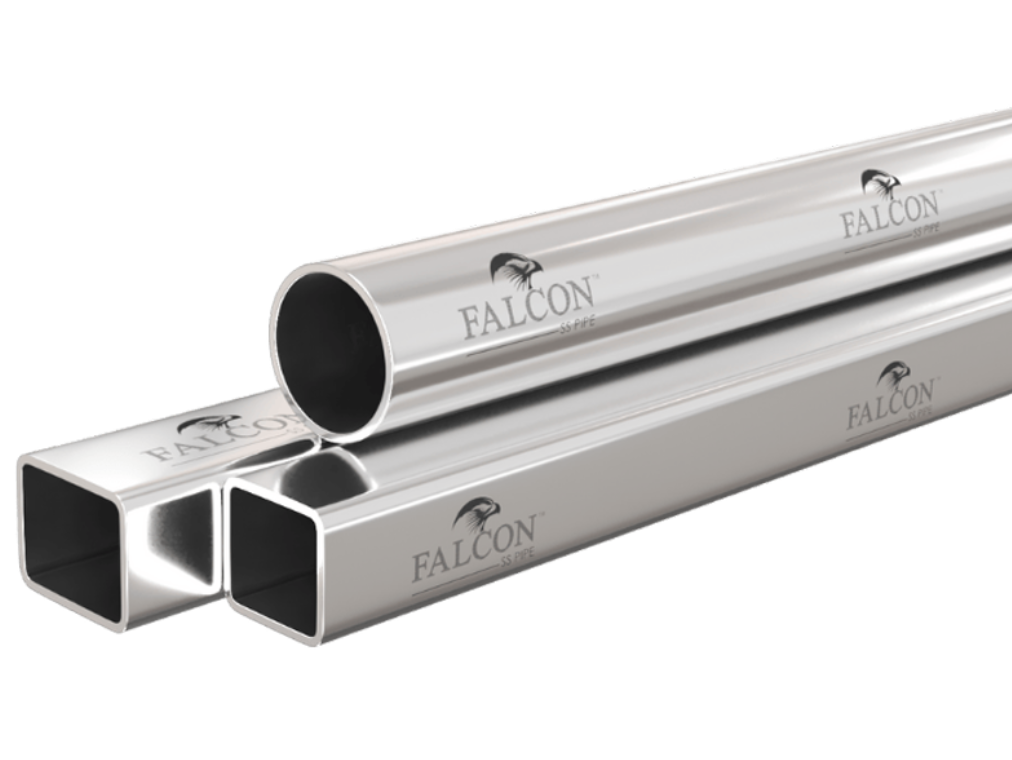
Stainless Steel (SS) pipes are corrosion-resistant, high-strength alloy pipes containing iron, chromium, and often nickel. Common types include 304 (versatile), 316 (high corrosion resistance), and 321 (high-temperature stabilization), typically used in industries like oil & gas, chemical processing, and food production due to their durability and low maintenance.
Key Stainless Steel Pipe Specifications & Types
Manufacturing Types:
- Seamless Pipe: Made from solid steel, used for high-pressure applications (boilers, heat exchangers).
- Welded/ERW/EFW: Produced by rolling steel sheets, suitable for low- to medium-pressure applications.
Common Material Grades:
- 304/304L: Most popular for general corrosion resistance and excellent weldability.
- 316/316L: Contains molybdenum for enhanced resistance to pitting corrosion in chemical/marine applications.
- 321/321H: Titanium-stabilized for superior resistance to high temperatures and intergranular corrosion.
Common Sizes & Dimensions:
- Nominal Bore (NB): Ranging from 1/8" to 4" and higher.
- Schedule (Thickness): Ranging from SCH 5 (light) to SCH XXS (heavy), with 10S, 40S, and 80S being common, usually fitting within to thick.
Surface Finishes:
- Annealed & Pickled (A&P): Matte finish.
- Bright Annealed (BA): Shiny finish.
- Polished/Polished Grit: (180G, 320G) used for decorative or sanitary applications.
- Standards & Testing: Common standards include ASTM A312 (welded), ASTM A213 (seamless boiler), and A269 (general service). Tests include hydrostatic testing and flattening tests.